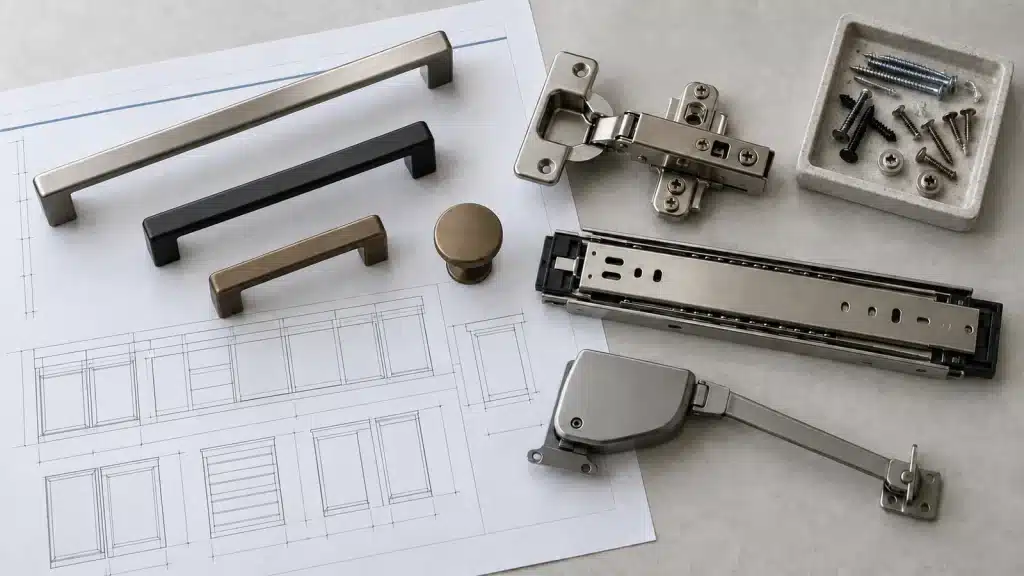
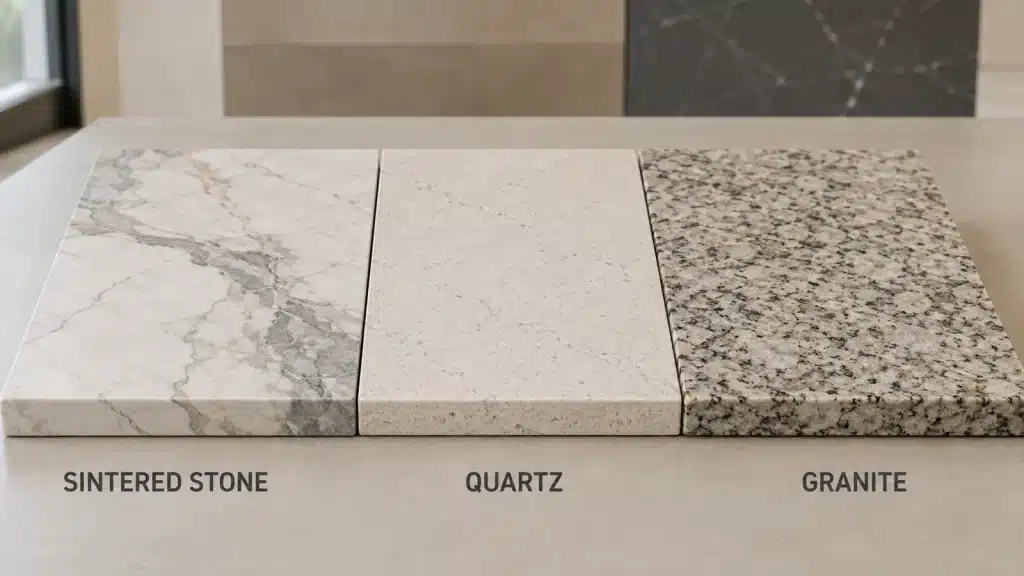
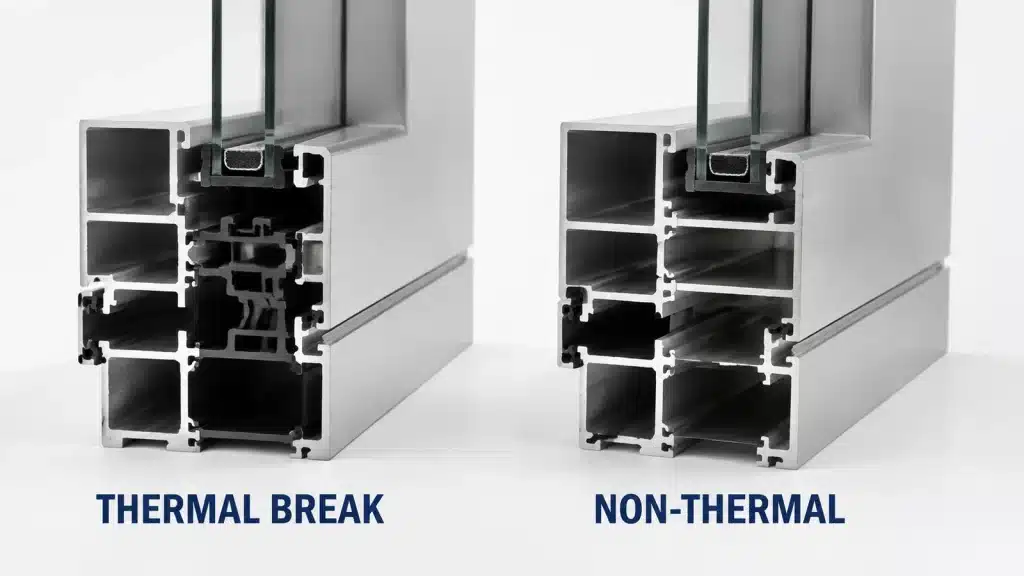
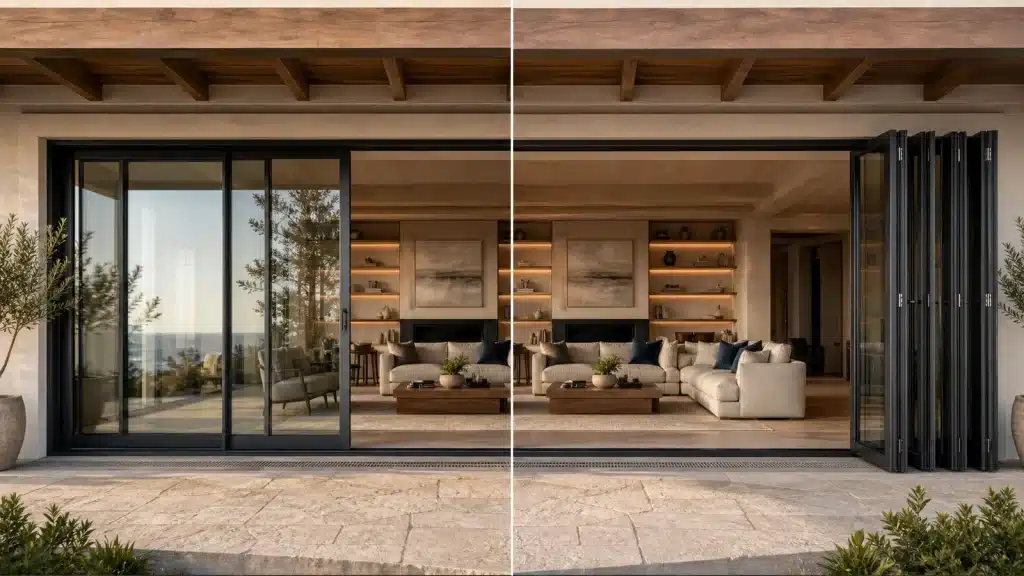
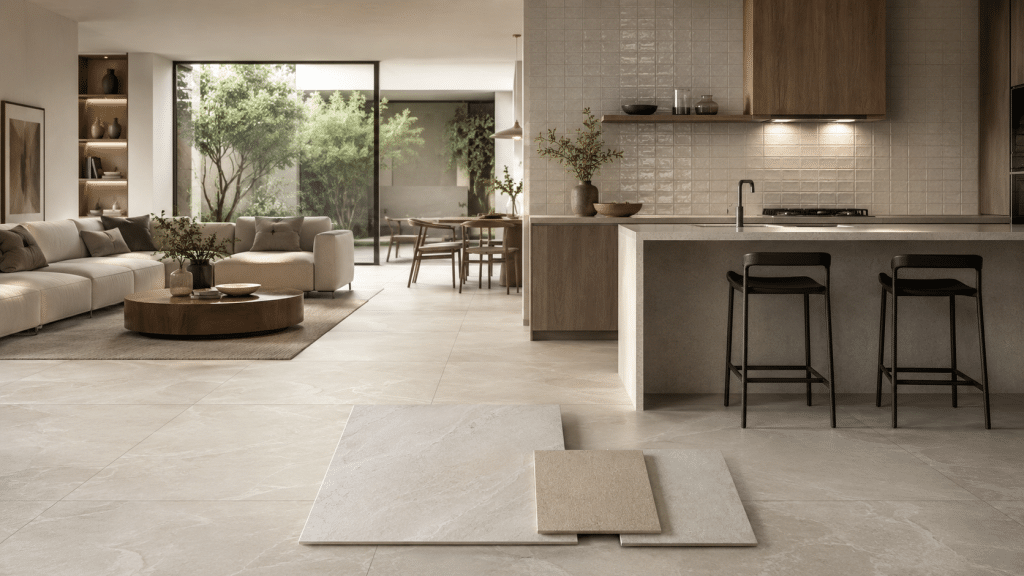
Compare materials, systems and finishes against the conditions of the actual project. These guides help owners, architects, contractors and procurement teams evaluate application, performance, interfaces, maintenance, cost and approval requirements before a product is selected.
A useful product comparison begins with location, use and interfaces. Establish the required outcome first, then assess the exact system, evidence, finish and delivery implications.
01 / Application
Define Where It Will Be Used
Identify indoor or outdoor use, room conditions, climate exposure, traffic, moisture and maintenance expectations.
Use the project-level selection guide first, then open the material comparison most relevant to the current category or design decision.
Start Here / Project Guide
Villa Building Materials Selection Guide
Build a coordinated material brief around local requirements, climate, room use, technical performance, interfaces, samples, landed cost and project delivery.
Record the exact model, finish, sample, drawing revision, accessories and acceptance basis.
Related Service
Project Material Coordination
Organize product schedules, reference images, technical options, quotation inputs, samples and unresolved decisions around the wider project requirements.
Comparison guides help identify trade-offs, but final selections must follow the project drawings, specifications and applicable local requirements.
What information should be defined before comparing materials?
Define the intended location and use, climate or exposure, required performance, dimensions and interfaces, appearance, cleaning and maintenance expectations, installation conditions, budget basis and required project dates.
Can product appearance determine whether a material is suitable?
No. Similar-looking materials can differ in construction, performance, maintenance and installation requirements. Confirm the complete system and project conditions before selecting by finish or colour.
Should the lowest-priced product be selected?
Compare the same specification and include accessories, installation, maintenance, replacement, packing, freight, duties, lead time and project risk. A lower unit price may represent a different scope or performance level.
What should be recorded when a product is approved?
Record the exact model or configuration, specification, dimensions, finish, hardware or accessories, sample reference, shop-drawing revision, required reports, quantity basis, packing method and approval status.
Coordinate the Shortlist
Share Your Product List, Drawings and Reference Images
Provide the information currently available so the relevant material categories, selection criteria and missing decisions can be organized for the next quotation or approval step.