PRODUCTION FOLLOW-UP

Track Multi-Category Production From Release to Inspection Readiness

Skyland Building connects approved product information with category-level production milestones, identified issues, change decisions and the records needed for the next inspection and packing stage.
Release information and scope Category-level milestones Issues, changes and next actions Inspection-readiness handover
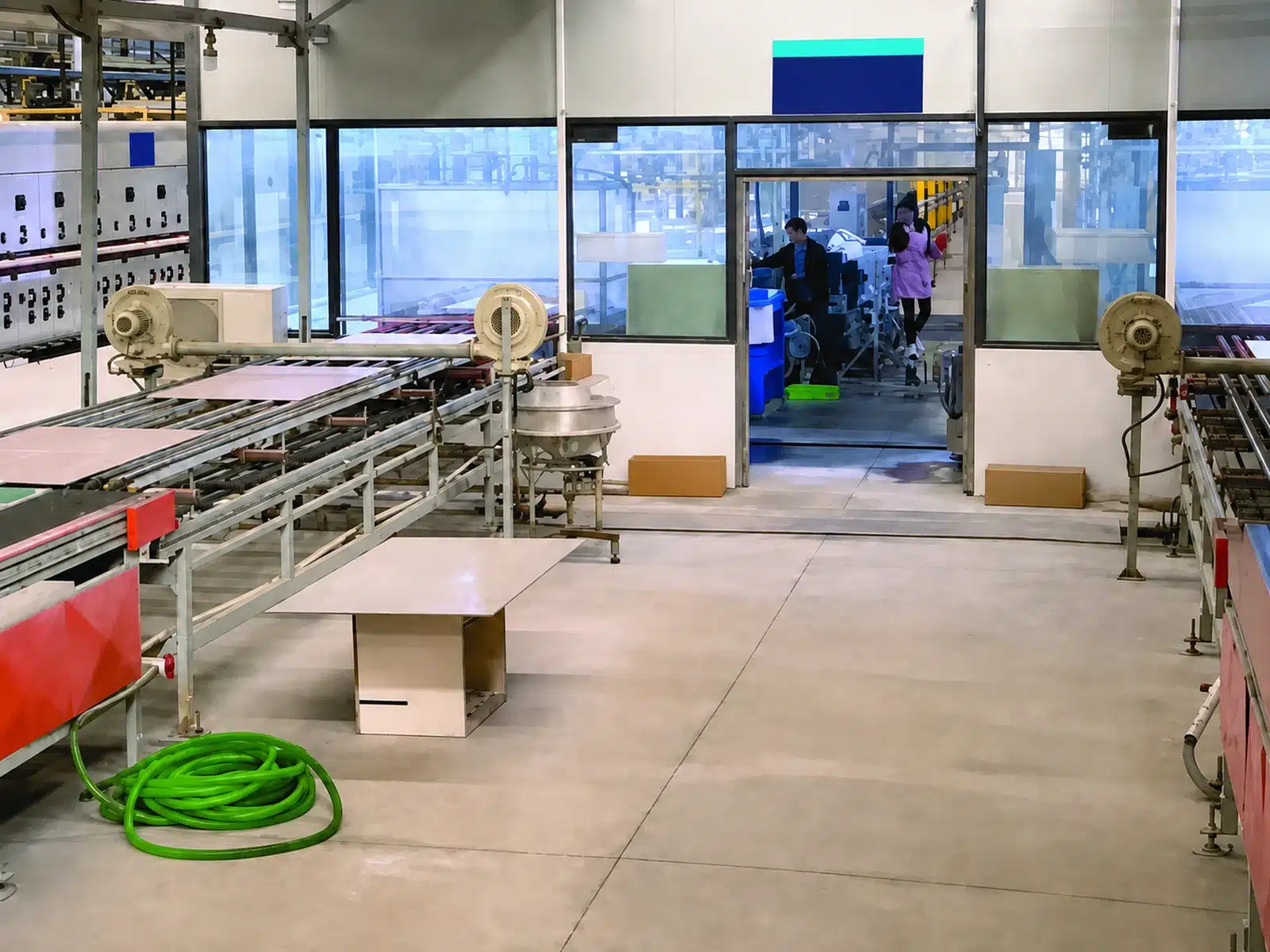
Automated building panel production line used to illustrate production follow-up
Factory operator reviewing machine information during a building material production process

CONNECTED PRODUCTION INFORMATION

Follow the Status Against the Approved Project Reference

Production follow-up is most useful when progress is connected to the applicable item, drawing, finish, quantity and release condition rather than reported only as a general percentage.

PROJECT REFERENCE

What Should Be Produced

Connect the order, product schedule, current drawing, finish sample and quantity reference.

PRODUCTION STATUS

What Has Happened Next

Record the applicable milestone, available evidence, identified issue and responsible next action.

Production follow-up organizes available status information. It does not replace the manufacturer's production control or an agreed inspection and acceptance process.

BEFORE PRODUCTION STARTS

Confirm the Information Required for Category Release

The exact release requirements depend on the product category, supplier and agreed project scope.

01

Product Scope

Item references, configurations, quantities, accessories and stated exclusions.

02

Current Drawings

Applicable drawing numbers, revisions, dimensions and remaining technical conditions.

03

Finish Direction

Confirmed material, color, texture, pattern and retained sample reference where applicable.

04

Commercial Release

Order status, agreed scope, payment condition and other applicable commercial requirements.

05

Milestone Basis

Planned sequence, target dates, inspection points and delivery priorities.

06

Open Conditions

Outstanding information that remains visible and does not block unrelated released work.

CATEGORY-LEVEL MILESTONES

Track Meaningful Stages Instead of One General Progress Number

A multi-category order can contain different manufacturing routes. Milestones should be adapted to the product rather than copied unchanged across every supplier.

Material PreparationRelevant raw materials, components or substrates are prepared.
FabricationCutting, forming, machining or category-specific production is underway.
AssemblyComponents are assembled where required by the selected product.
Surface and FinishCoating, polishing, finishing or visible treatment reaches the applicable stage.
Internal ChecksThe manufacturer completes its applicable in-process or final controls.
Inspection ReadinessThe stated quantity and records are prepared for the agreed next review.
Automated sanitary ware production equipment illustrating a category-specific milestone

MULTI-CATEGORY PROGRESS

Let Each Product Category Follow Its Own Production Route

These brochure images illustrate different production activities. They should not be interpreted as a promise that every order uses the same facility, equipment or sequence.
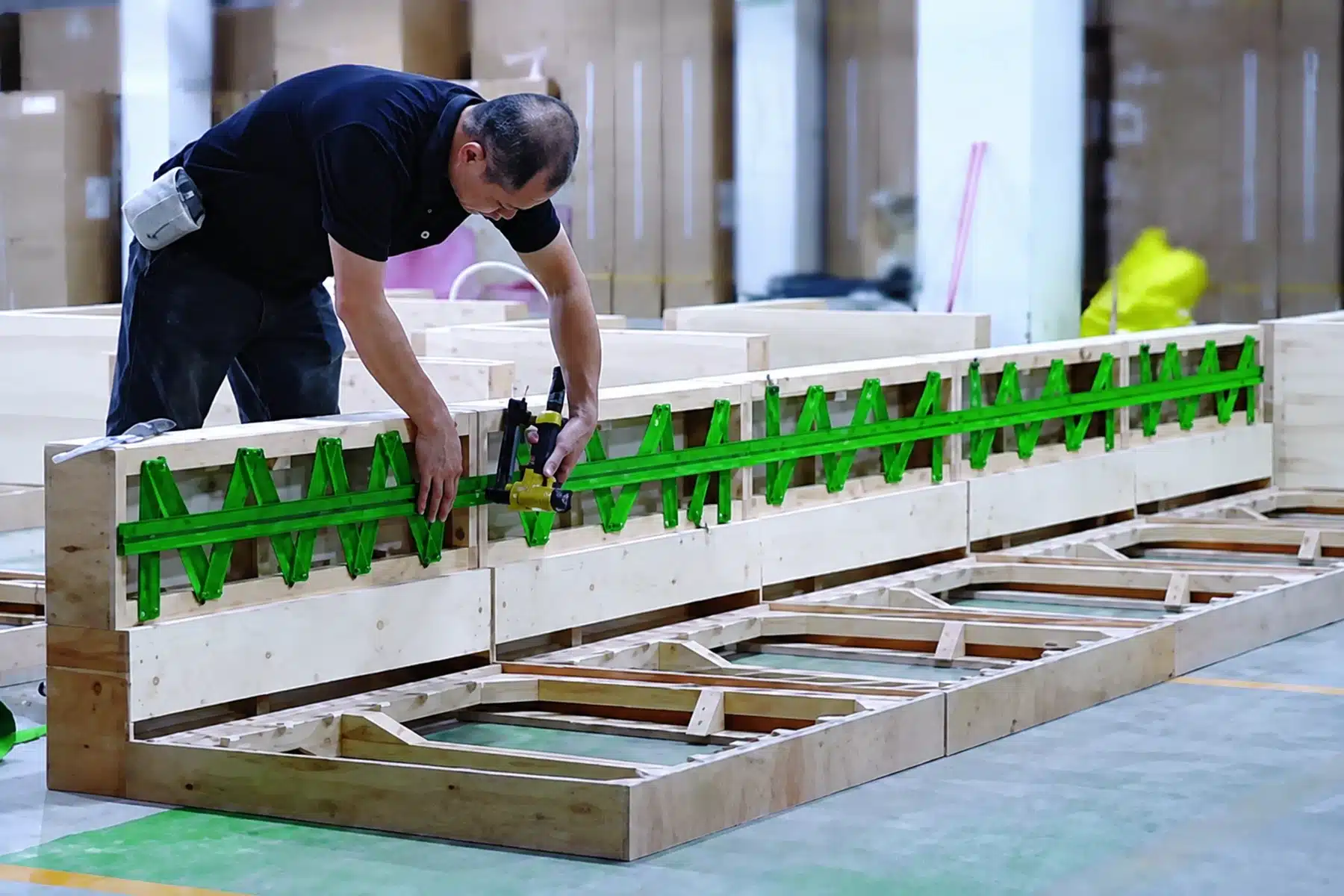
Custom building component assembled during a category production stage
Custom Components

Assembly Progress

Track item reference, assembly stage, identified issues and the next production action.
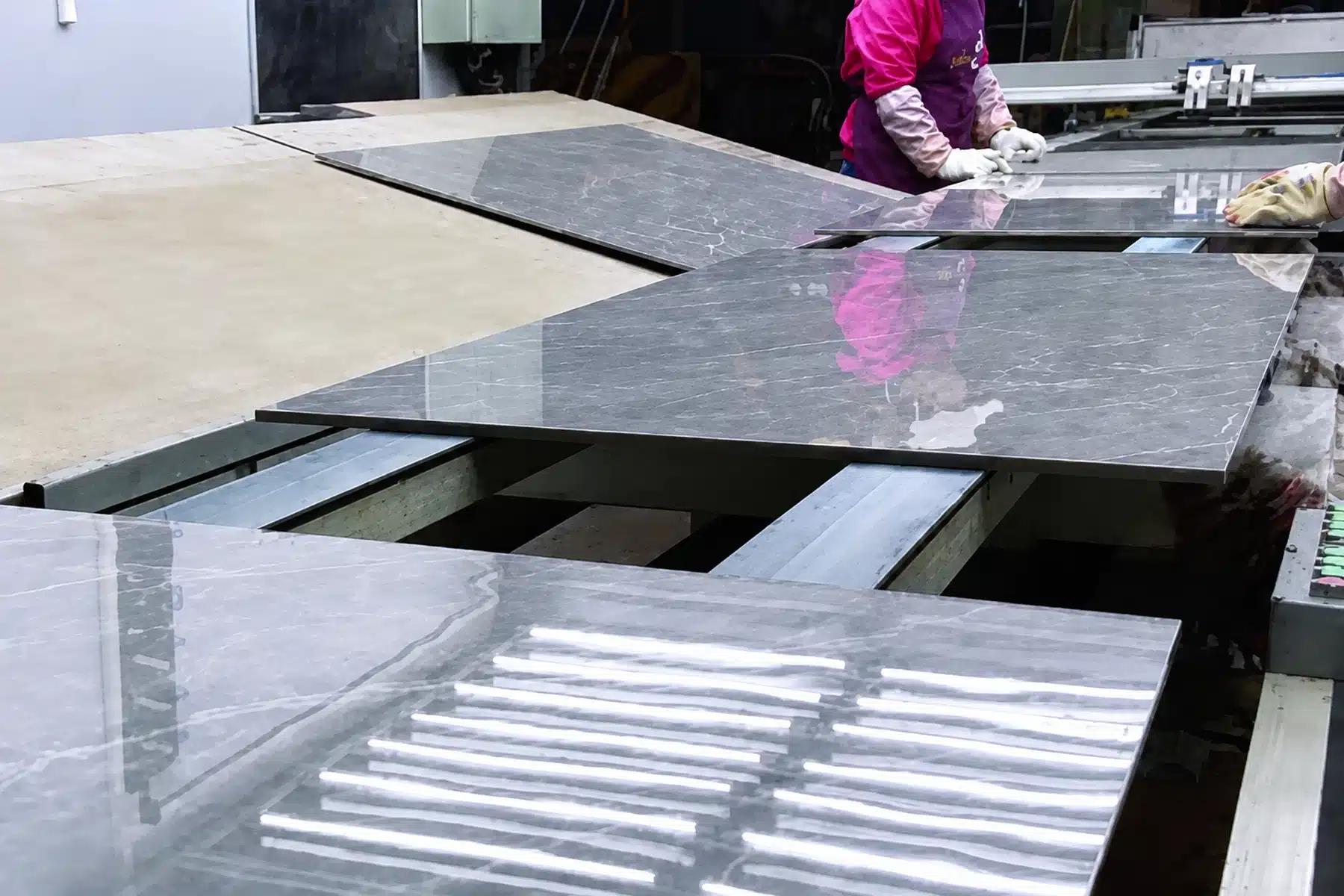
Stone slabs moving through a surface processing stage in a factory
Stone & Surfaces

Processing Progress

Connect slab or item references with cutting, surface treatment and later finish review requirements.

Upholstered furniture arranged during assembly and production follow-up
Furniture

Assembly and Completion

Follow item codes, upholstery or finish references, quantities and readiness for the next check.

CHANGE CONTROL

Record Changes Before They Become Production Assumptions

A requested change can affect more than the visible product. The applicable technical, commercial and scheduling effects should be reviewed before release.

Change Information

  • Original item, drawing or finish reference
  • Requested change and reason
  • Affected quantity, room or category
  • Supporting drawing, sample or written comment
  • Requester and decision responsibility

Impact Review

  • Production already completed or materials committed
  • Price or commercial-scope difference
  • Lead-time and delivery-sequence effect
  • Interfaces with other products or suppliers
  • Confirmation required before implementation

PROGRESS REGISTER

Keep Status, Evidence and Next Action Together

The register format can vary, but each update should remain traceable to the relevant category and project reference.

FieldInformation RecordedPurpose
Project ReferenceOrder, category, item code, drawing and finish referenceIdentify the released scope
Current MilestoneApplicable production stage and status dateShow what has actually progressed
Available EvidenceFactory update, image, quantity record or other agreed informationSupport the reported status
Issue or ConstraintMissing input, technical problem, material delay or open decisionMake blockers visible
Next ActionResponsible party, required response and target milestoneClarify the next step
Readiness StatusContinue production, hold, revise, prepare inspection or other agreed statusControl the handover
Photos and percentages are supporting information, not automatic evidence that product quality, quantity or compliance has been accepted.

FOLLOW-UP WORKFLOW

From Production Release to the Next Controlled Handover

01

Release

Confirm the applicable order, drawing, finish, quantity and remaining conditions.

02

Plan

Organize category milestones and stated target dates around the production route.

03

Update

Collect available progress information against the applicable milestone and item reference.

04

Resolve

Record issues, decisions, changes and the responsible next action.

05

Prepare

Check whether the stated quantity and supporting records are ready for the next review.

06

Handover

Transfer the applicable references into inspection, packing or delivery coordination.

Some categories may reach inspection readiness while others remain in production. The delivery plan should reflect these differences.
Building panels moving through an automated line before inspection readiness review

INSPECTION-READINESS HANDOVER

Separate Production Completion From Product Acceptance

A supplier's completion notice should lead into the agreed inspection and packing process rather than being treated as automatic acceptance.

  • Applicable order, item and quantity reference
  • Current drawing and finish reference
  • Reported completion and remaining work
  • Inspection criteria and required records
  • Open issues, approved deviations or hold points
  • Proposed inspection, packing or collection timing

PROJECT RECORDS

Maintain a Clear Record Without Promising Uncontrolled Outcomes

Available updates, evidence and report formats depend on the supplier, category and agreed project requirements.

Records May Include

  • Category milestone schedule
  • Dated supplier or factory updates
  • Issue, clarification and action register
  • Change request and decision references
  • Inspection-readiness handover information

What Follow-Up Does Not Guarantee

  • Unconditional completion or delivery dates
  • Acceptance of quality, quantity or compliance
  • Identical production routes across suppliers
  • Implementation of unapproved changes
  • Elimination of all manufacturing or logistics risk

FREQUENTLY ASKED QUESTIONS

Production Follow-Up Questions

When does production follow-up begin?
It normally begins after the applicable product scope and release conditions have been identified. Different categories may be released at different times.
Is the production workflow the same for every material?
No. Milestones should reflect the actual product and supplier route. Cabinets, stone, sanitary ware, furniture, windows and tiles may require different stages.
Can production continue while one decision remains open?
Unaffected work may continue when the open decision and its boundaries are clearly identified. Work that depends on the unresolved information should not be silently assumed.
How are production changes handled?
The original reference, requested change and its technical, commercial and scheduling effects should be recorded before the responsible party confirms implementation.
Do factory progress photos confirm product quality?
No. Photos can support a status update but do not by themselves confirm specification, quantity, performance or acceptance. The agreed inspection process remains separate.
What happens when one category is delayed?
The affected milestone, reason, dependencies and next action should be recorded. Any effect on consolidation or delivery sequencing can then be reviewed against the wider project plan.

PLAN THE NEXT STAGE

Discuss Production Follow-Up for Your Material Package

Share the selected categories, current drawings, finish status, quantities and target milestones. We can clarify the information required for a category-level follow-up plan.