
INSPECTION & PACKING
Verify Finished Materials and Prepare Them for Project Delivery
Skyland Building coordinates inspection against controlled order information, records identified issues and connects the agreed release status with category-appropriate packing, labels and the next logistics handover.

TWO CONNECTED CONTROLS
Inspection Records the Presented Goods; Packing Protects the Approved Shipment
These activities are connected, but they answer different questions and should not be collapsed into one informal factory check.
What was presented and checked?
Compare identified goods with the applicable purchase order, approved drawings, samples, specifications, quantities and agreed inspection criteria.
How will the released goods be protected and identified?
Define protection, package grouping, handling marks and project references according to product fragility, handling route and destination needs.
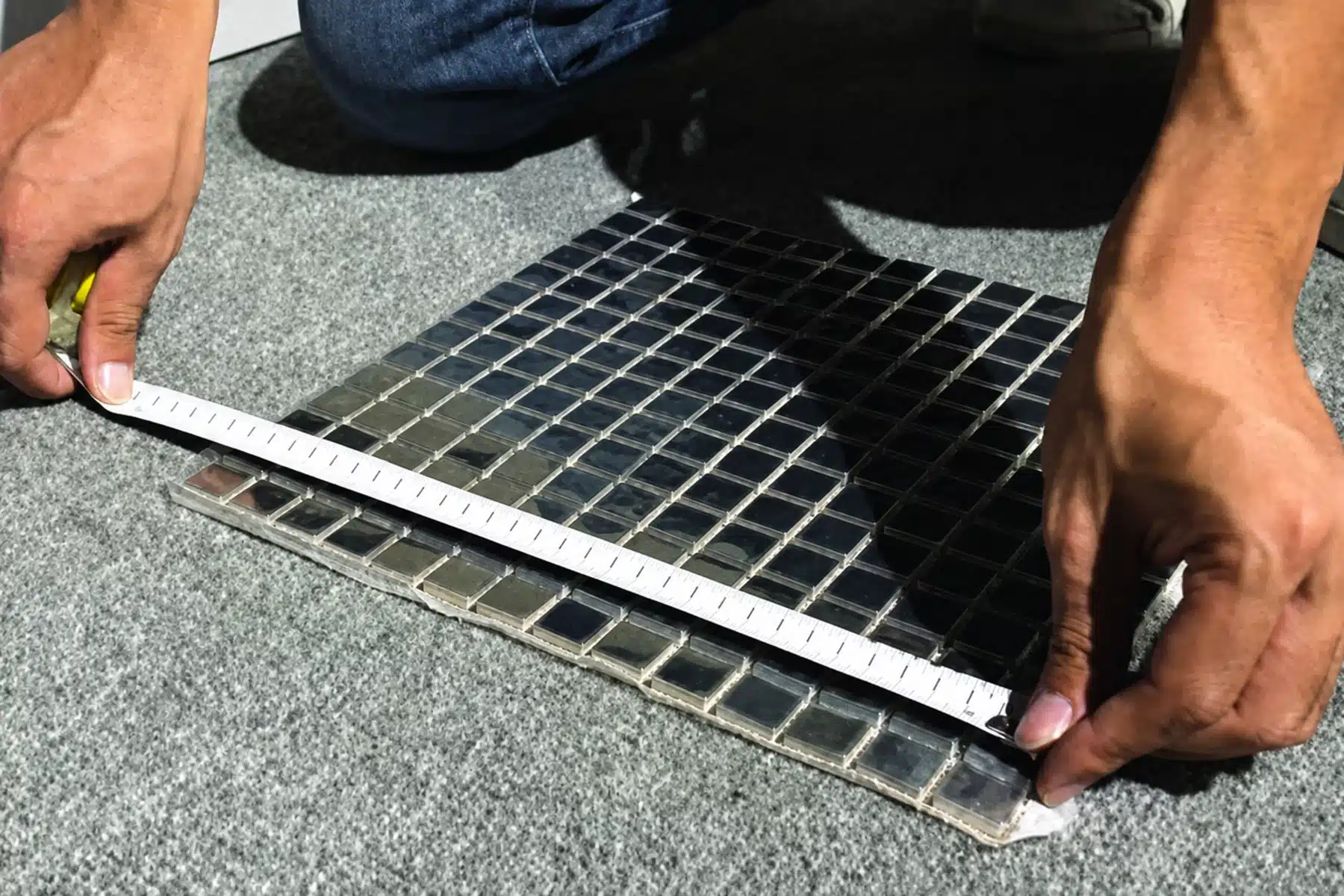
BEFORE THE VISIT
Freeze the Inspection Basis Before Looking at the Goods
A useful inspection starts with identified documents, a defined lot and decision authority. Criteria should not be invented after defects are seen.
Order and Item Identity
Purchase order, item references, quantity basis, finish codes and applicable accessories.
Approved Information
Current drawings, approved samples, specifications and accepted change records.
Presented Lot
What quantity is complete, accessible and included in the inspection scope.
Check Method
Measurements, visual checks, functional checks, sampling plan and tools where applicable.
Acceptance Rules
Defined defect categories, tolerances, records and escalation route.
Decision Authority
Who may release, conditionally release, hold, reject or request reinspection.
CHECK CATEGORIES
Build the Checklist Around the Actual Product and Project Risk
Not every check applies to every material. The instruction should state what is checked, how much is checked and what remains outside the scope.
Identity & Quantity
Item, model, finish, size group, accessories, package count and quantity records.
Dimensions & Configuration
Selected critical dimensions, handing, opening type, component arrangement or module references.
Workmanship & Appearance
Visible surfaces, edges, joints, coating or finish consistency under stated viewing conditions.
Function & Accessories
Applicable operating checks and confirmation of identified hardware, fittings or loose parts.
Documents & Traceability
Required labels, inspection evidence, packing list inputs and referenced supporting documents.
Packing Readiness
Protection method, package stability, moisture considerations, handling points and project labels.
CATEGORY EXAMPLES
Different Materials Need Different Evidence
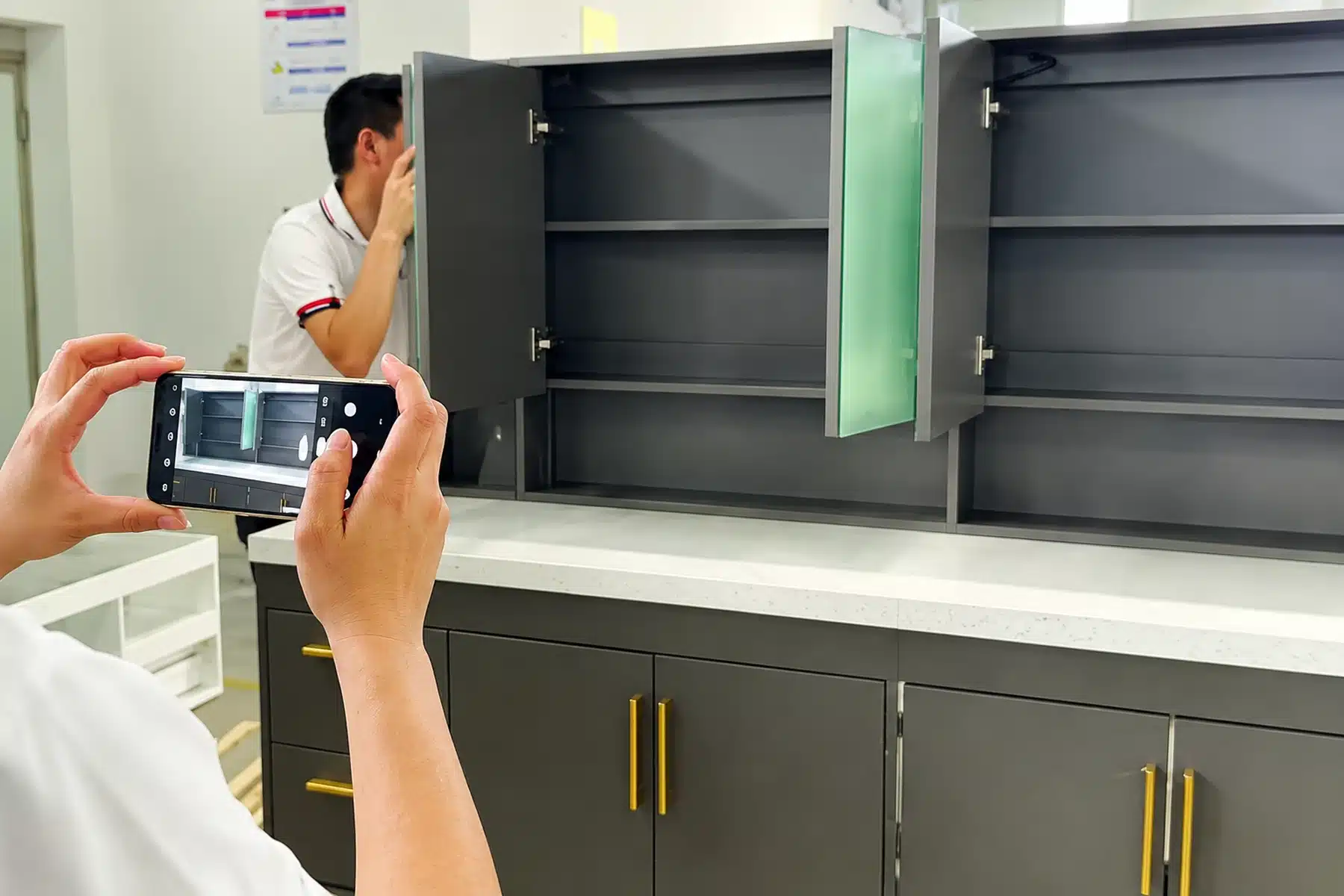
Cabinetry & Joinery
Module identity, key dimensions, visible finish, alignment, hardware and loose accessory records.
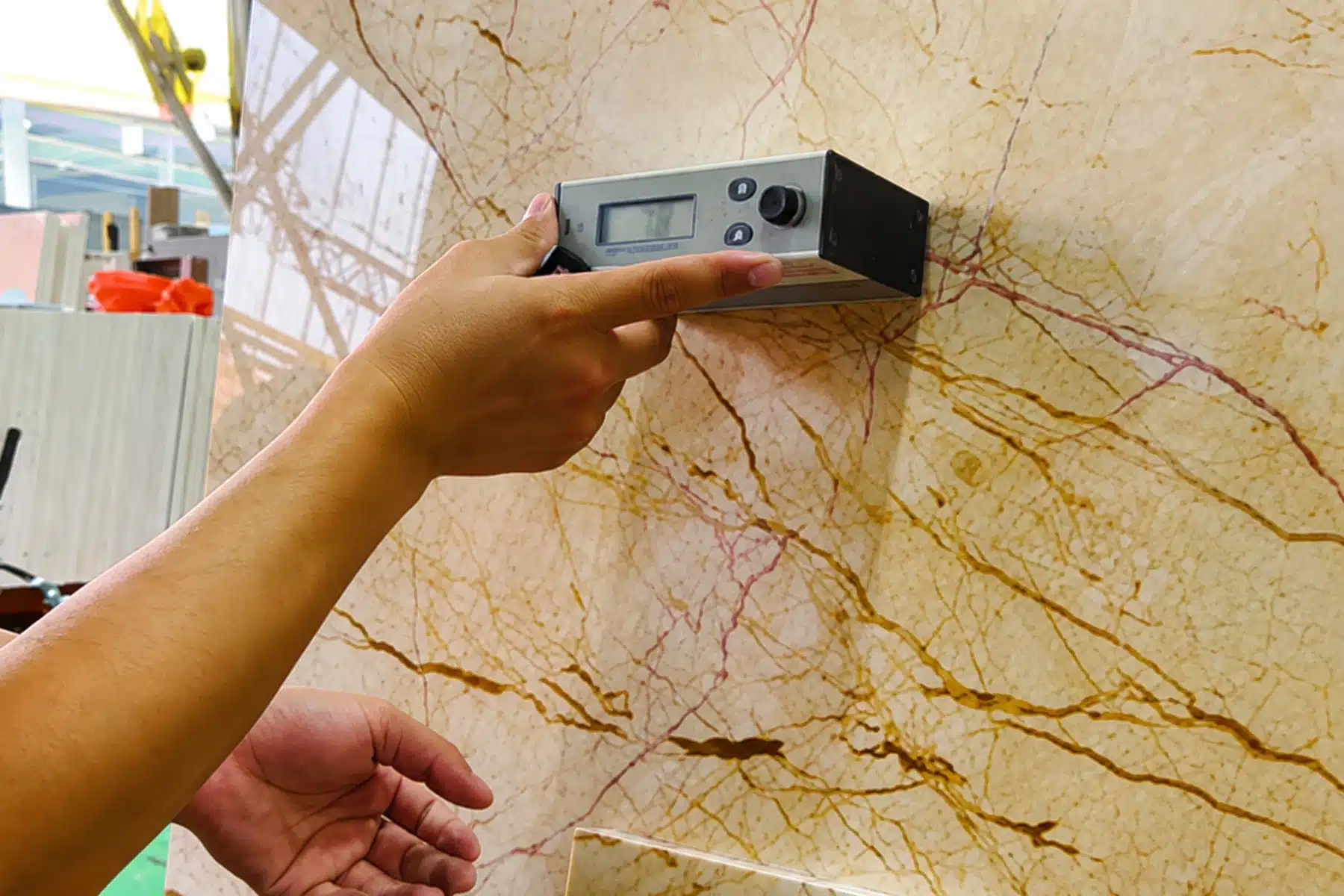
Stone & Surface Materials
Identity, selected dimensions, visible surface condition, edges and packing orientation.
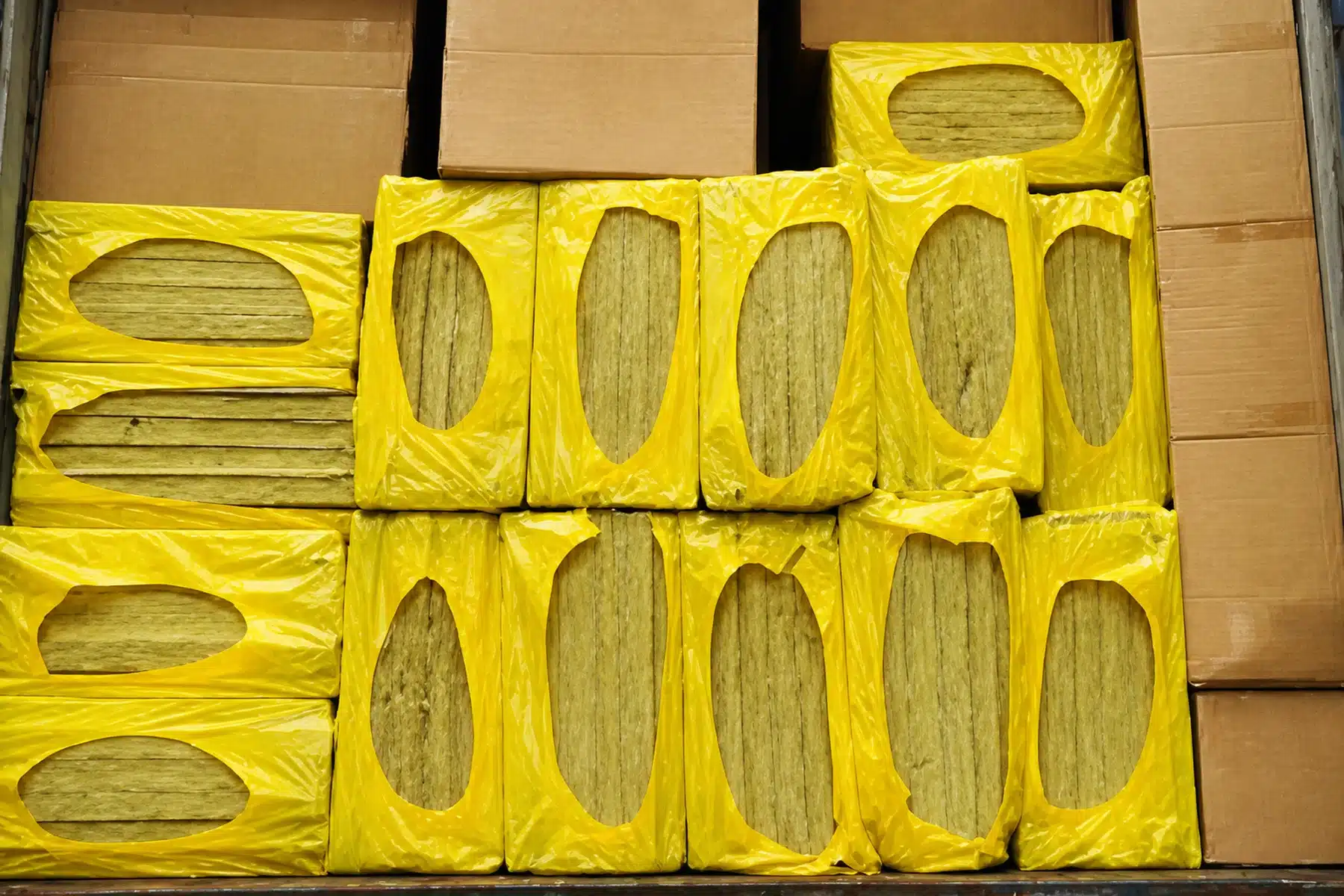
Fragile or Finished Components
Unit separation, surface protection, corner protection, void control and package grouping.
INSPECTION REGISTER
Turn Findings Into Traceable Actions
A photograph alone is not a complete finding. Each issue should connect the affected item, requirement, evidence, owner and closure route.
| Field | What to record | Why it matters |
|---|---|---|
| Item / Lot | Product reference, presented quantity and sampled unit | Prevents findings from becoming detached from the goods |
| Requirement | Drawing, sample, specification, tolerance or agreed criterion | Shows the basis of the observation |
| Finding | Measured or observed condition with photographs | Creates reviewable evidence |
| Disposition | Accept, repair, replace, sort, hold or other agreed action | Separates the fact from the decision |
| Owner / Due Action | Responsible party and required next evidence | Keeps closure accountable |
| Closure Status | Open, evidence received, rechecked or closed | Supports the final shipment decision |
PACKING PLAN
Design Protection Around Handling, Storage and Site Identification
Packing should reflect the product, transport mode, expected transfers, storage conditions and how the site team will identify and move each package.
Physical Protection
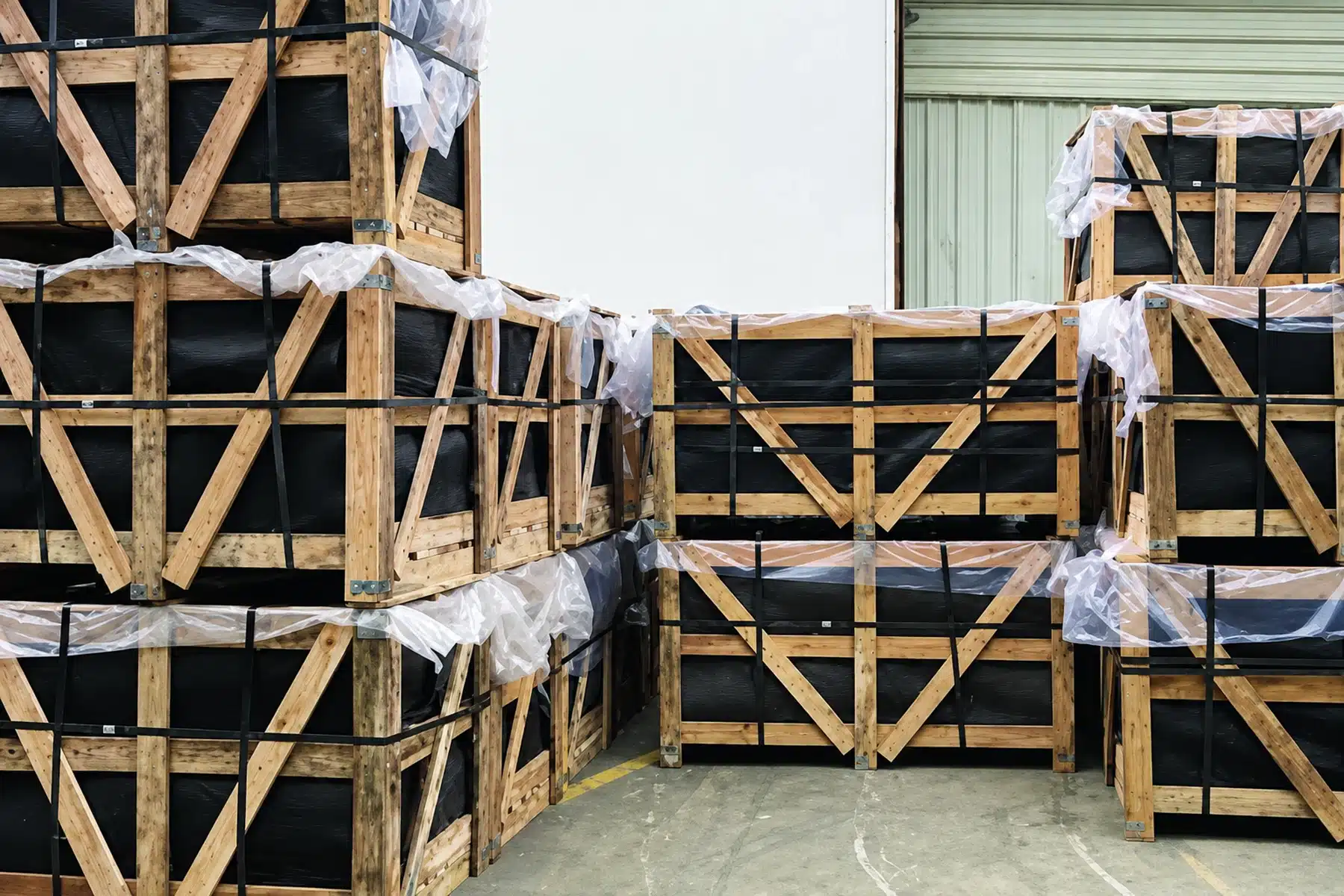
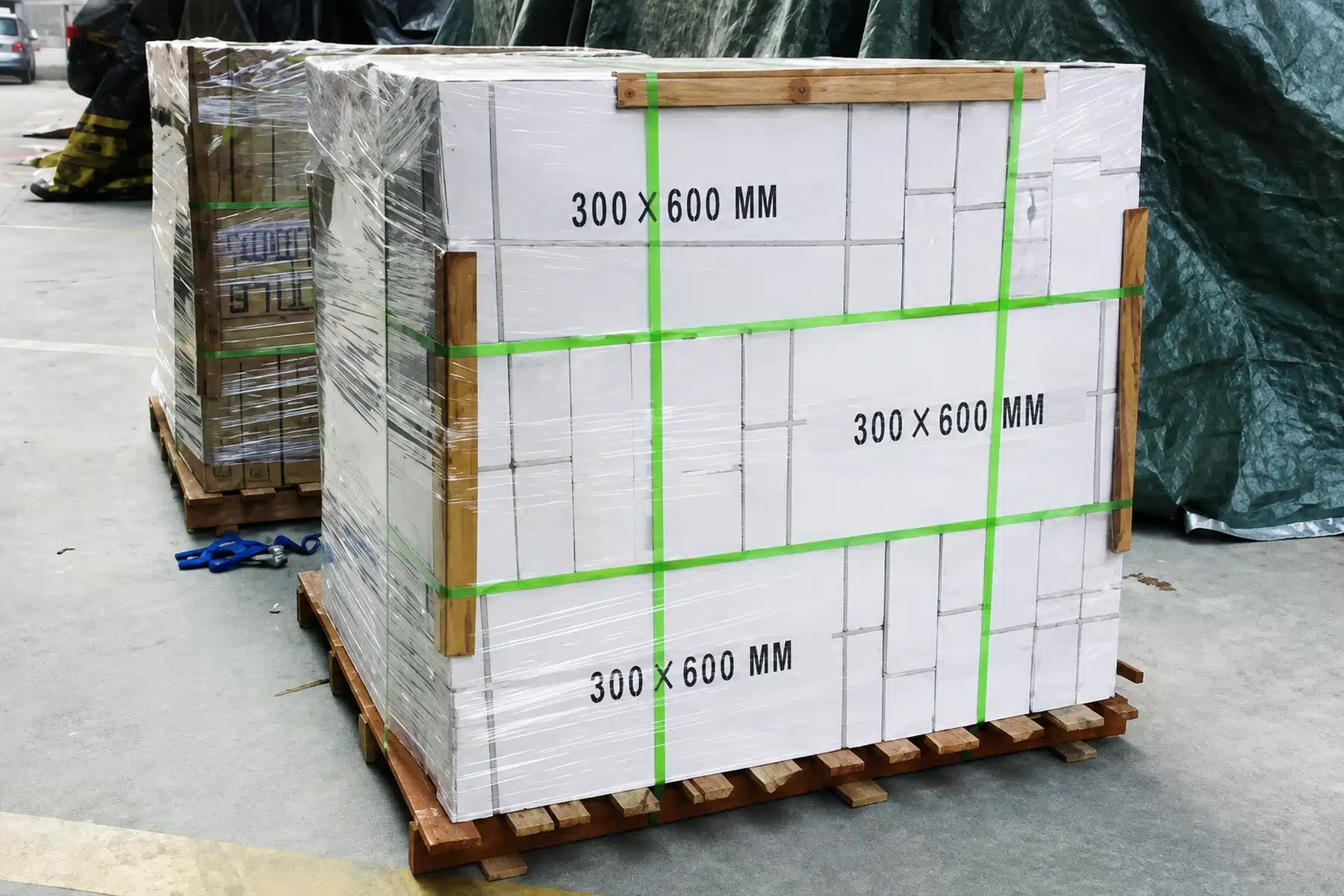
Surface film, interlayers, corner guards, cushioning, moisture controls, pallets or crates as appropriate.
Package Identity
Project, category, item, room/elevation, package number, quantity and handling reference where applicable.
Handling & Stability
Safe lifting points, center-of-gravity considerations, stack limits and internal restraint.
Document Alignment
Package IDs reconciled with the packing list and the agreed shipment grouping.
Packing shown in the brochure is evidence of specific shipments. The required solution must be confirmed for the actual product, route and destination.
CONTROLLED WORKFLOW
From Inspection Instruction to Logistics Handover
Confirm Basis
Identify the lot, documents, criteria, sampling approach and authority.
Verify Readiness
Confirm accessible quantity and record anything unavailable.
Inspect & Record
Complete applicable checks and tie evidence to item references.
Manage Findings
Assign actions, collect closure evidence and reinspect where agreed.
Pack & Label
Apply the confirmed protection and package identification plan.
Release Handover
Reconcile package records and pass the stated status to logistics.
RELEASE STATUS
Inspection Completion Is Not Automatic Shipment Authorization
The inspection report provides evidence. The contract or project instruction should identify who decides whether the shipment may proceed and under what conditions.
Release Inputs
Inspection report, open-item list, closure evidence, package count, packing list and required documents.
Possible Status
Released, conditionally released, held for action, rejected or scheduled for reinspection by the authorized party.
RECORDS & BOUNDARIES
Keep Commercial Inspection, Regulatory Requirements and Shipment Decisions Separate
Project Records
- Controlled inspection instruction and presented-lot record
- Measurements, photographs and finding register
- Corrective-action or reinspection evidence
- Package list, labels and release-status handover
Important Boundaries
- Sampling does not prove every uninspected unit is defect-free
- A commercial check may not satisfy statutory PSI requirements
- An inspection report does not replace buyer shipment authorization
- Packing cannot eliminate every transport or site-handling risk
FREQUENTLY ASKED QUESTIONS
Inspection & Packing FAQs
When should the pre-shipment inspection take place?
Does Skyland inspect every unit?
Can packing begin before inspection?
Do all products use wooden crates?
Does a passed inspection guarantee damage-free delivery?
PREPARE THE NEXT SHIPMENT
Build an Inspection and Packing Plan Around Your Actual Order
Share the purchase order, product schedule, approved drawings and samples, quantity status, destination and packing requirements. We will identify the information needed to define the review.