
CONSOLIDATION & SHIPPING
Coordinate Multi-Supplier Materials Into a Traceable Project Shipment
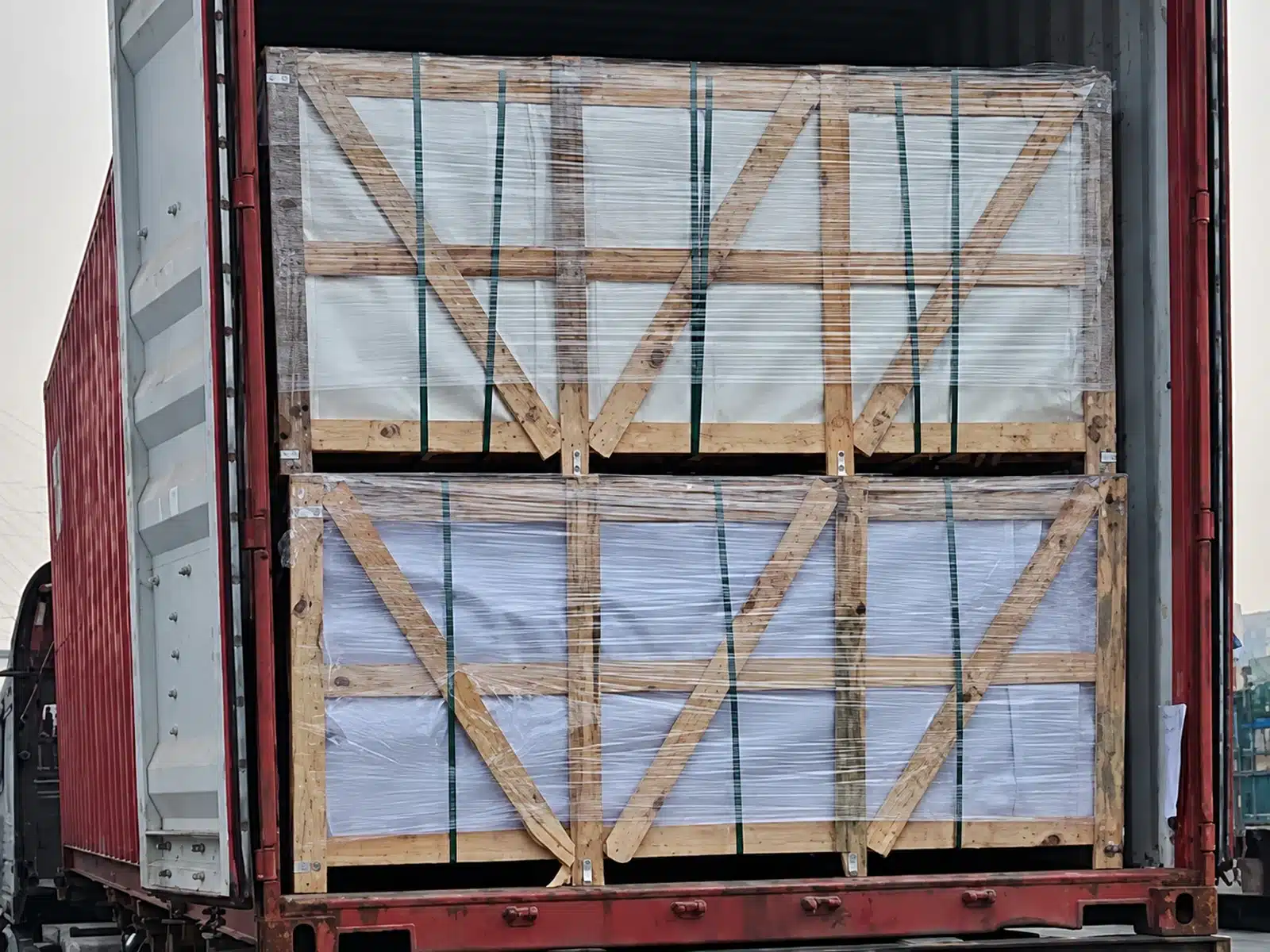
Skyland Building coordinates origin receiving, package identity, consolidation status, load planning and shipping handover for multi-category building materials moving toward the same project or delivery plan.
ONE PROJECT MOVEMENT
Consolidation Connects Separate Supplier Lots Without Erasing Their Identity
Materials can be received from several factories, checked into an origin point, staged by project and prepared for an agreed transport movement. Each underlying product, package and commercial document still needs accurate identification.
Operational Benefit
Coordinate compatible cargo, reduce fragmented origin handovers and reconcile packages before the planned movement.
Added Control Need
Manage storage, handling, shared-delay, compatibility, load distribution, customs and document risks created by combining lots.
BEFORE RECEIVING
Define What the Warehouse Must Recognize and Record
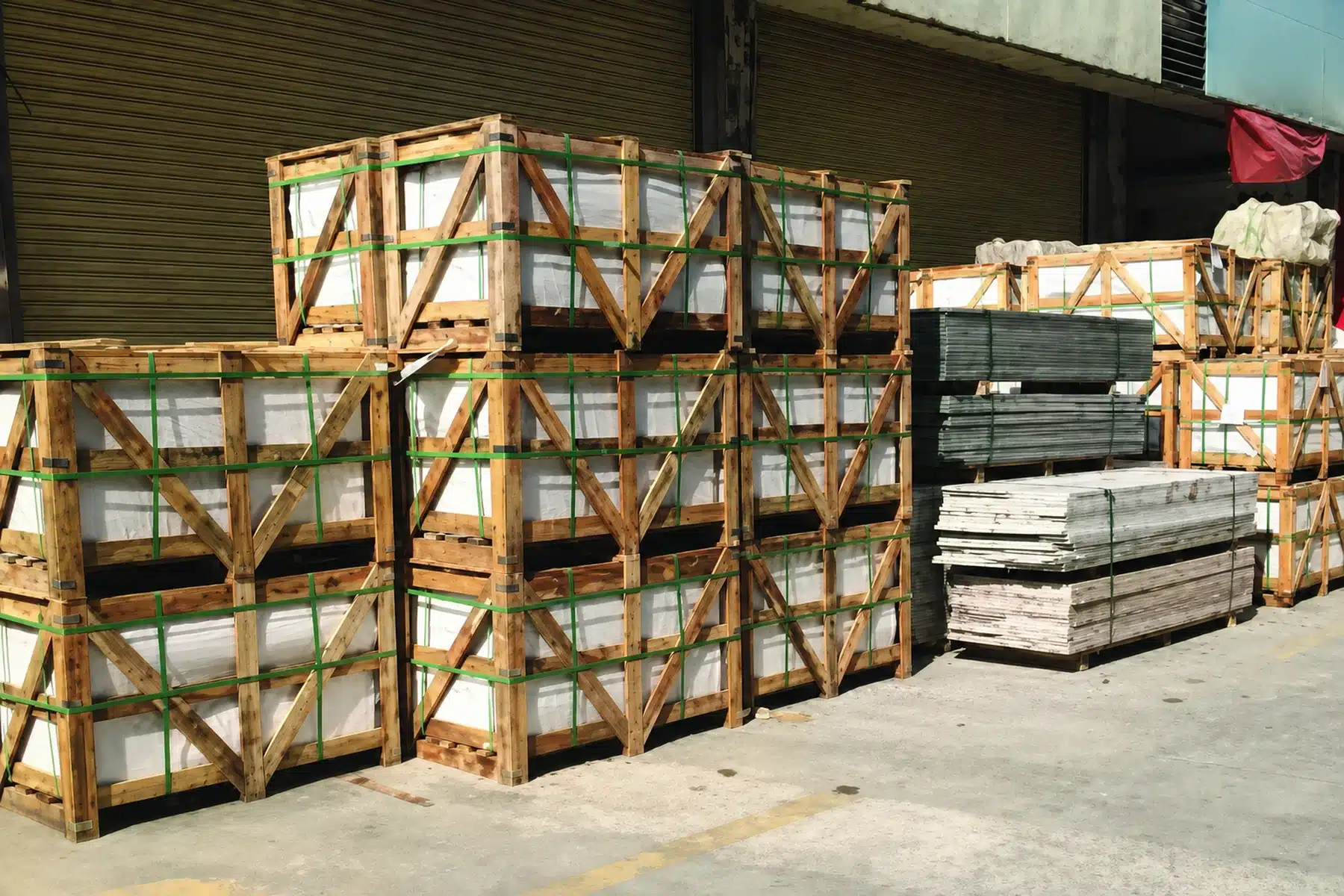
A consolidation point should receive instructions before cargo arrives, not reconstruct the project identity from unmarked packages afterward.
Supplier Notice
Expected arrival, supplier, vehicle or delivery reference and contact route.
Project Identity
Project code, category, order reference and destination grouping.
Package Schedule
Expected package count, type, approximate dimensions and weight where available.
Handling Notes
Fragile surfaces, orientation, stack restrictions and equipment needs.
Document Set
Packing list, delivery note, inspection status and required supporting records.
Exceptions Route
Who must respond when quantity, packaging, identity or condition does not match.
GOODS RECEIPT
Create a Traceable Warehouse Entry for Each Supplier Lot
Receiving is a reconciliation point. It should show what arrived, what could be observed, where it was placed and what exception requires a decision.
Arrival Record
Date, supplier, delivery reference, package count and visible condition at receipt.
Identity Check
Package labels and project references compared with the expected schedule.
Exception Record
Shortage, excess, damaged outer packing, unclear identity or handling concern.
Storage Location
Assigned zone or position so the lot can be found without losing its reference.

CONSOLIDATION REGISTER
See Which Lots Are Ready, Missing, Held or Assigned to a Shipment
A shared status register helps the project team avoid loading from informal messages or incomplete assumptions.
| Field | Typical entry | Control purpose |
|---|---|---|
| Supplier / Category | Source and product group | Preserves origin identity |
| Package Range | Package IDs and expected count | Supports reconciliation |
| Receipt Status | Expected, received, exception or held | Shows physical availability |
| Inspection / Release | Referenced status and open conditions | Avoids treating arrival as approval |
| Storage Position | Warehouse zone or stack reference | Supports retrieval and loading |
| Shipment Assignment | Planned container, truck or movement | Connects packages to the load plan |
LOAD-PLAN INPUTS
Balance Capacity With Compatibility, Handling and Delivery Sequence
Volume utilization is only one part of a safe and practical plan. The cargo and transport unit must be reviewed together.

Handling Access
Equipment, lifting direction, package dimensions and safe movement space.

Cargo Compatibility
Weight, fragility, stackability, moisture sensitivity and separation needs.
Delivery Sequence
Consider destination unloading, site access and whether some packages must be accessible before others.
Transport Constraints
Confirm actual internal dimensions, payload, weight distribution and applicable transport requirements with the responsible logistics parties.
COORDINATION WORKFLOW
From Supplier Dispatch to Shipping Handover
Plan Arrivals
Issue receiving instructions and expected-lot information.
Receive & Record
Reconcile packages, visible condition and delivery documents.
Stage by Project
Assign storage positions while preserving supplier and item identity.
Resolve Exceptions
Clarify shortages, damage, labels, release status and missing records.
Confirm Load Plan
Match selected packages, transport unit and loading sequence.
Load & Handover
Record loaded packages and pass the document set to shipping coordination.
LOADING EVIDENCE
Connect the Final Package List With What Entered the Transport Unit
Loading records should support reconciliation without being presented as a substitute for professional cargo securing, carrier acceptance or regulatory inspection.
Before Loading
Transport-unit reference, visible condition, selected package list and loading sequence.
During Loading
Package IDs, positions, handling exceptions and agreed photographic record.
After Loading
Final count, doors/closure condition, seal information where applicable and variance note.
Handover
Packing list, commercial/export document inputs and responsible shipping contact.

DOCUMENT HANDOVER
Coordinate the Records Without Promising Carrier or Customs Outcomes
Typical Coordination Records
- Warehouse receipt and exception register
- Supplier/package consolidation status
- Final packing list and load assignment
- Loading evidence and shipping-instruction inputs
Important Boundaries
- Freight rates, schedules and space remain subject to carrier confirmation
- Customs classification and import compliance require responsible-party review
- Consolidation can add storage, handling and shared-delay risk
- Insurance scope and claims procedures must be confirmed separately
CONNECTED GUIDANCE
Prepare Packing, Inspection and Consolidation as One Delivery Chain
The service page explains what Skyland coordinates. The guides explain the practical controls, trade-offs and preparation steps in greater depth.

FREQUENTLY ASKED QUESTIONS
Consolidation & Shipping FAQs
Is consolidated shipping always cheaper?
Can every product category be loaded together?
Does consolidation mean LCL shipping?
Who confirms customs requirements?
What information is needed for a loading plan?
PLAN THE PROJECT MOVEMENT
Build a Consolidation Plan Around Real Supplier Lots and Site Needs
Share the supplier list, product categories, package information, destination, target sequence and available shipping requirements. We will identify the inputs needed for the next coordination step.