
Send Your BOQ / Get a Quote

Bespoke Furniture Solutions

Bespoke Furniture Solutions for Hospitality Projects

Coordinate sofas, beds, tables, chairs and room-based furniture around layouts, dimensions, materials, finishes, upholstery, samples, packing and site placement.
Room and furniture schedules
Dimensions and material samples
Prototype and finish review
Packing and placement references
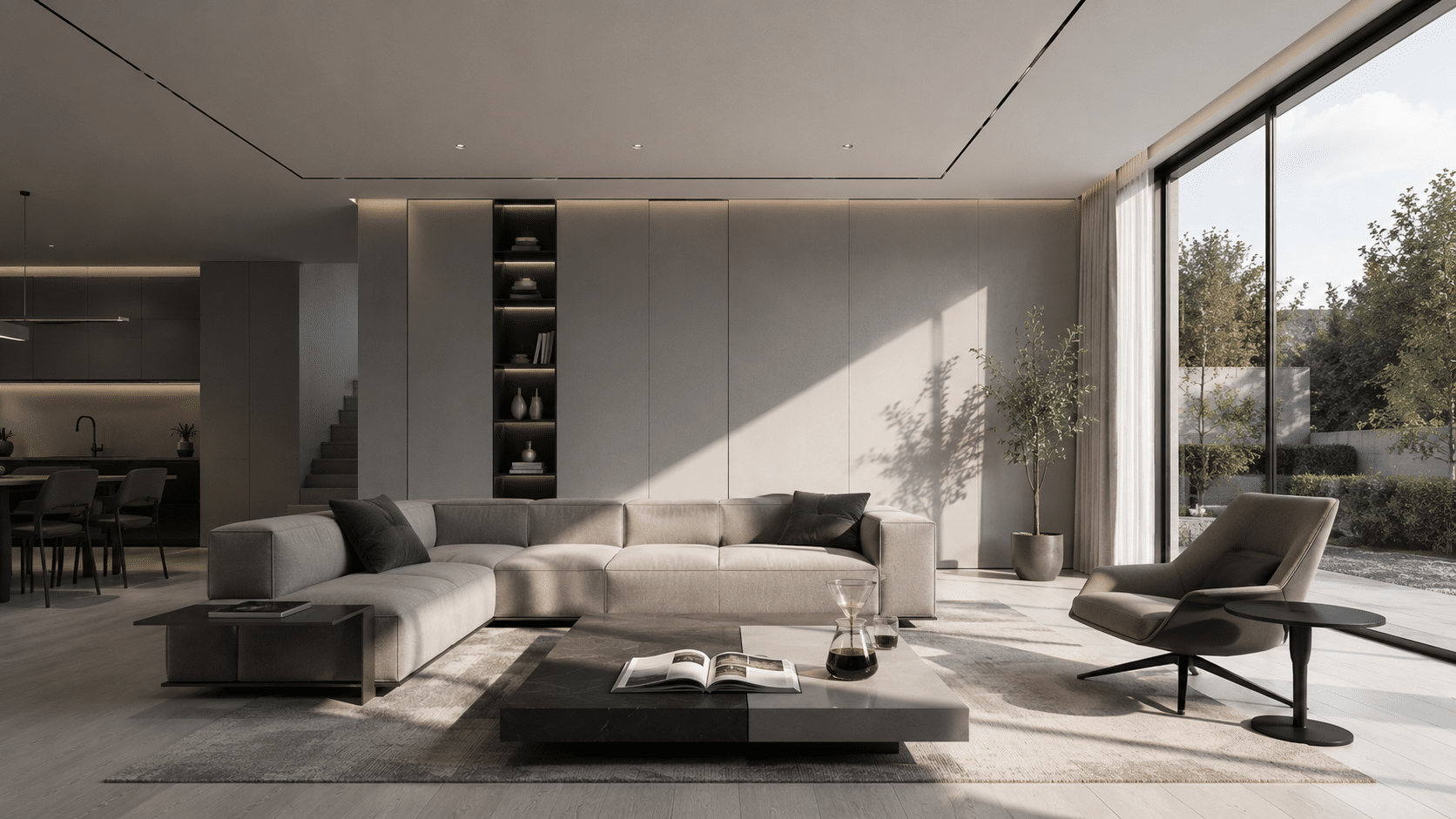
Bespoke furniture arranged within a hospitality interior

Project Inputs

Information Needed for a Furniture Proposal

A room-by-room furniture schedule helps identify missing sizes, finishes, upholstery references and responsibilities before quotation.

01

Room Schedule

Room names, item codes, quantities, plans, elevations and intended furniture locations.

02

Dimensions and Use

Overall sizes, seating capacity, user requirements, clearances and expected application.

03

Design References

Images, drawings, materials, colours, upholstery, metal finishes and stone direction.

04

Project Conditions

Delivery access, assembly needs, installation responsibility, programme and project location.

Dimensions & Use

Confirm Function Before Finalizing the Form

Furniture proportions should be checked against the room, intended users, circulation and related architectural elements.

01

Seating Proportions

Review seat height, depth, back support, arm position, cushion arrangement and intended duration of use.

02

Bed and Headboard Interfaces

Coordinate mattress size, bed base, headboard, bedside units, lighting, sockets and skirting.

03

Table and Chair Clearances

Confirm seating count, leg positions, circulation, chair movement and service access around the table.

04

Delivery and Assembly

Check lift, stair, corridor and doorway dimensions and identify items requiring site assembly.

Materials & Finishes

Approve Every Visible Material by Application

The schedule should identify the material, colour, sheen, texture, edge detail, upholstery direction and intended item—not only a reference image.

01

Timber and Veneer

Define species or visual direction, stain colour, sheen, grain orientation and acceptable natural variation.

02

Upholstery

Record fabric or leather reference, colour, texture, direction, seam detail and intended furniture item.

03

Metal and Stone

Coordinate metal finish, stone selection, edge profile, support details and expected natural variation.

04

Foam and Internal Build-Up

Confirm the proposed cushion composition and comfort direction for the intended application.

Approval Process

Use Drawings, Samples and Prototypes for Different Decisions

A finish chip cannot confirm furniture dimensions or comfort, while a drawing cannot fully represent colour, texture or cushion feel.

01 / Drawing

Dimensions and Construction

Review overall sizes, sections, joints, material locations, assembly and interfaces with the room.

02 / Sample

Colour and Texture

Approve timber, metal, stone, fabric or leather references and record their intended applications.

03 / Prototype

Form, Comfort and Detail

Use a prototype or representative mock-up when scale, seating comfort or a critical junction needs physical review.

Furniture Workflow

From Room Schedule to Placement Reference

Each stage should use the latest approved schedule, drawing, material reference and room information.

01

Review the Scope

Organize rooms, item codes, quantities, dimensions, references and missing information.

02

Develop Proposals

Compare configurations, materials, finishes, upholstery and assembly approaches.

03

Coordinate Drawings

Resolve dimensions, sections, interfaces, material positions and item identification.

04

Approve References

Record accepted drawings, samples, prototypes and any approval conditions.

05

Release and Inspect

Use approved references to track production and agreed inspection points.

06

Pack by Room

Coordinate labels, assembly hardware, package lists and placement references.

Production Review

Check Each Furniture Item Against Its Approved References

Inspection criteria should relate to the item code, drawing, materials and finish sample. Performance values should only be used when the applicable test is available.

01

Dimensions and Form

Review overall sizes, key sections, orientation, assembly points and room references.

02

Materials and Finish

Compare timber, upholstery, metal, stone, colour, sheen and texture with approved samples.

03

Operation and Assembly

Check moving parts, removable components, assembly hardware and supplied instructions.

04

Labels and Quantities

Confirm item codes, room allocations, quantities, package numbers and accessories.

Delivery Interface

Coordinate Packing With Access, Assembly and Placement

Large furniture may require removable components, protected finishes, room-based labels and a defined route from unloading point to final position.

  • Confirm lifts, stairs, corridors, doorways and turning clearances
  • Identify items requiring site assembly or specialist handling
  • Protect stone edges, timber finishes, upholstery and projecting parts
  • Label every package by item code, room and package number
  • Provide assembly hardware and relevant placement information
  • Record shortages, damage or site variations before remedial work

Frequently Asked Questions

Bespoke Furniture Project Questions

These answers provide general coordination guidance. Final materials, dimensions, testing and packing depend on the approved item and project scope.

What information is needed for a bespoke furniture quotation?
Share the room schedule, item codes, quantities, dimensions or reference images, material direction, upholstery references, project location and target timing.
Can furniture be developed from concept images?
Concept images can establish a design direction. Dimensions, construction, materials, finishes, ownership of the design and project requirements still need to be clarified before production.
When is a prototype recommended?
A prototype or representative mock-up is useful when comfort, scale, form, upholstery details or a critical structural junction requires physical review before the wider order is released.
How should timber and upholstery samples be approved?
Record each sample reference, material, colour, texture, sheen, direction and intended item. Natural timber, leather and stone may require an agreed variation range.
Can all furniture items have identical timber colour and grain?
No. Natural materials vary. Related items can be coordinated to an approved direction, but the accepted range and available batches should be reviewed rather than promising identical grain or tone.
Are fire, emissions or load certifications available?
Documentation should be confirmed for the exact furniture item, material and tested configuration. A certificate for one component should not be presented as applying to every product.
How is large furniture prepared for international delivery?
Packing should reflect the item, materials, removable parts and delivery route. Packages can be identified by item code and room, but no packing method can guarantee zero transit damage.
What installation or placement information can be supplied?
Available support can include approved drawings, item labels, assembly references and hardware identification. Site measurement, lifting, assembly and final placement responsibilities should be agreed separately.

Start the Furniture Review

Send Your Furniture Schedule and Design References

Share room names, item codes, quantities, dimensions, reference images and finish direction. The available information can be reviewed before the next quotation step.

Submit Project Details